
Complete Guide to Live Bait Fishing for Striped Bass on Lake Texoma
Live bait remains one of the most consistent and productive ways to catch striped bass on Lake Texoma. While artificial lures can produce explosive strikes, experienced guides often rely on live shad when conditions become challenging or when clients want the highest probability of success.
Stripers are natural predators, and nothing looks more realistic than the real thing.
Understanding how to locate bait, keep it alive, rig it properly, and present it at the correct depth can dramatically improve your results.
After more than two decades guiding on Lake Texoma, Captain Steve Buckley has learned that anglers who master live bait fishing consistently catch more fish — and often bigger fish.
Quick Answer: What Is the Best Live Bait for Lake Texoma Stripers?
Threadfin and gizzard shad are the most effective live baits for striped bass on Lake Texoma. When presented at the proper depth using circle hooks and controlled drift techniques, live bait consistently produces fish across all seasons.
Captain Steve Buckley’s Insight
“Artificial lures are exciting, but when clients want the highest probability fishing trip — we fish live bait. It simply works.”
Why Live Bait Outperforms Artificial (Sometimes)
Stripers don’t feed aggressively every day.
Cold fronts, fishing pressure, boat traffic, and seasonal transitions can make fish cautious.
Live bait excels because it:
✅ Looks natural
✅ Smells natural
✅ Moves naturally
✅ Requires less reaction
When fish won’t chase…
They will still eat.
This is why many professional guides consider live bait a “trip saver.”
Locating Threadfin and Gizzard Shad
Before catching stripers — you must first catch bait.
Electronics have transformed this process.
Where to Find Shad
Look for:
-
Marina Lights
-
Creek channels
-
Flats near deeper water
-
Main lake structure
-
Windblown banks
-
Areas holding plankton
If bait is present, stripers are rarely far away.
Seasonal Bait Patterns
Spring: Shad move shallow.
Summer: Often suspend over deep water.
Fall: Large schools migrate.
Winter: Tight bait balls become common.
Find the bait — find the fish.
Choosing the Best Cast Net
A quality cast net is one of the most important investments a live bait angler can make.
Recommended Net Size:
👉 8–10 foot radius
Large enough to cover bait schools.
Still manageable for most anglers.
Ideal Net Weight:
👉 1–1.5 pounds per foot
Heavier nets:
-
Sink faster
-
Trap more bait
-
Prevent escapes
Cheap nets cost anglers bait — and time.
Buy quality once.
Lake Texoma Cast Net Regulations
Always verify current regulations before throwing a net.
General reminders:
-
Follow Texas and Oklahoma licensing rules
-
Observe bait collection limits
-
Avoid restricted areas
-
Carry proper fishing licenses
Regulations can change — responsible anglers stay informed.
How to Throw a Cast Net
Many anglers overcomplicate this skill.
The key is smooth mechanics — not brute strength.
Basic Steps:
1️⃣ Load the net evenly.
2️⃣ Coil the hand line properly.
3️⃣ Use a controlled spinning motion.
4️⃣ Release cleanly.
Practice on open water before targeting bait schools.
A well-thrown net opens fully into a circle — maximizing capture.
Keeping Shad Alive (This Separates Pros from Amateurs)
Catching bait is only half the battle.
Keeping it alive is where many anglers struggle.
Healthy bait catches more fish.
Use a High-Quality Bait Tank
Look for tanks that:
-
Maintain oxygen
-
Promote water circulation
-
Reduce stress on bait
-
Prevent overcrowding
Round tanks outperform square ones because bait cannot wedge into corners.
Bait Tank Filters Matter
Proper filtration removes:
-
Ammonia
-
Waste
-
Slime
Without filtration, bait dies quickly — especially in warm water.
Guides never overlook this.
Chemicals That Help Keep Shad Alive
Professional anglers often use water treatments that:
-
Reduce stress
-
Replace lost electrolytes
-
Neutralize toxins
These additives can dramatically extend bait life.
Avoid drastic water temperature changes — stability is critical.
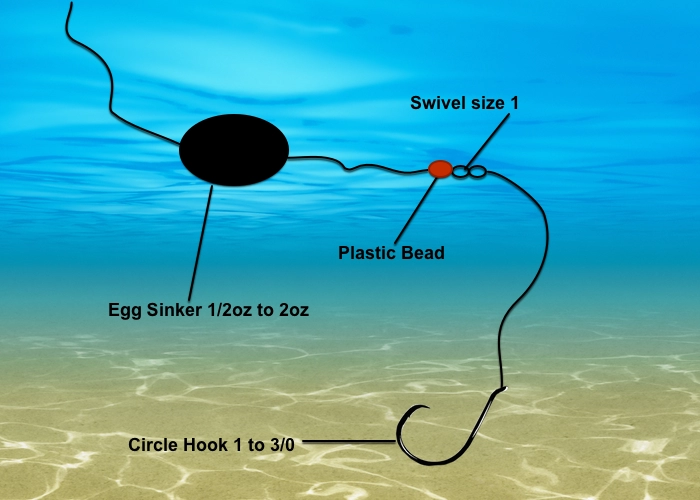
Live Bait Rigs for Lake Texoma Stripers
Simple rigs consistently outperform complicated setups.
Should You Use Circle Hooks?
👉 Yes — and many guides insist on them.
Benefits include:
-
Strong corner-of-mouth hookups
-
Reduced gut hooking
-
Easier releases
-
Better landing ratios
Let the fish load the rod — avoid aggressive hooksets.
Best Hook Size
Match the hook to bait size.
Typical range:
👉 1 – 3/0 circle hooks
Large enough for stripers.
Small enough to allow natural bait movement.
Hook Color — Does It Matter?
In most cases:
👉 No.
Presentation matters far more than hook finish.
Focus on sharpness and strength.
Egg Sinker Size
Weight depends on:
-
Wind
-
Current
-
Depth
-
Drift speed
Typical range:
👉 1/2oz–3 oz
Use only enough weight to maintain depth.
Too heavy = unnatural presentation.
Drift Fishing vs Anchoring
Both catch fish — but conditions dictate the best choice.
Drift Fishing
Most guides prefer drifting because it:
-
Covers water
-
Locates active fish
-
Maintains natural bait movement
- Drift several good spots and repeat
Use drift socks in heavy wind to control speed.
Ideal drift speed:
👉 0.5–1 mph
Slow is usually better.
Anchoring
Anchoring shines when fish are tightly grouped.
Especially effective:
-
In winter
-
On structure
-
When fish hold deep
Stay positioned above the school.
Let bait work vertically.
What Depth Should You Fish?
Depth changes constantly on Lake Texoma.
Successful anglers adjust — not guess.
Spring
Stripers often move shallow during feeding migrations.
Look for fish:
👉 10–30 feet
Summer
Heat pushes fish deeper.
Target:
👉 20–50 feet
Electronics are critical.
Fall
Bait migrations trigger aggressive feeding.
Fish may appear:
👉 shallow early
👉 deeper midday
Stay flexible.
Winter
Fish frequently school tightly.
Common depth:
👉 30–60 feet
Patience pays off.
Why Guides Trust Live Bait
When success matters — guides remove variables.
Live bait:
✔ increases hookups
✔ reduces guesswork
✔ works in tough conditions
✔ produces consistent action
It’s not always flashy…
But it is effective.
Live Bait vs Artificial Lures
Both have their place.
Artificial:
-
exciting
-
visual
-
aggressive
Live Bait:
-
consistent
-
natural
-
dependable
Experienced anglers know when to use each.
👉 (Internal link later to Best Striper Lures for Lake Texoma)
Final Thoughts: Master Live Bait, Catch More Stripers
Success on Lake Texoma rarely comes down to luck.
It comes from preparation.
When anglers learn how to locate bait, keep it healthy, rig it correctly, and present it at the right depth…
Their catch rates improve dramatically.
And when conditions become difficult — live bait often saves the day.
👉 Want to eliminate the learning curve? Fishing with an experienced Lake Texoma striper guide helps you stay on active fish and fish proven techniques with confidence. Follow Texoma Fishing Guide for more information
Related Striper Fishing Tactics on Lake Texoma
Want to master every seasonal pattern on Lake Texoma? These tactical guides build on live bait strategy:
-
👉 How to Striper Fish a Slab Spoon Lure on Lake Texoma – Vertical jigging techniques.
-
👉 Striped Bass Swimbaits – When to throw paddletails and soft plastics.
-
👉 Texoma Topwater Season 2017 – Surface explosions during warm water months.
-
👉 Lake Texoma Striper Fishing Spots – Seasonal movement patterns and structure.
-
👉 Lake Texoma Striper Fishing Report – Current fishing conditions and trends.