Last Updated: February 2026
Quick Answer:
The best times to catch striped bass on Lake Texoma are spring and fall when water temperatures trigger aggressive feeding. However, experienced guides catch stripers year-round by adjusting techniques based on seasonal fish behavior.
When is the Best Time to Catch Striped Bass on Lake Texoma?
If you ask ten anglers this question, you’ll probably hear “spring.”
And while spring fishing on Lake Texoma can be phenomenal…
The real answer is more nuanced.
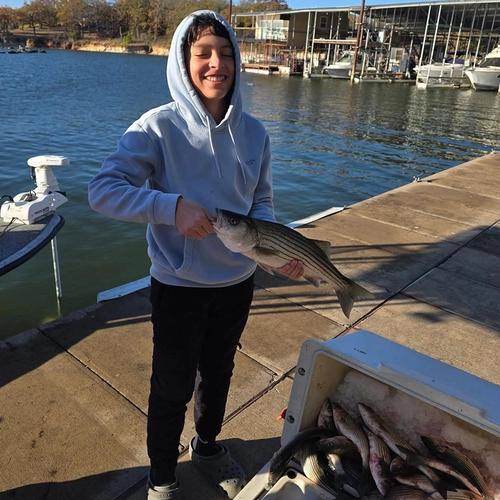
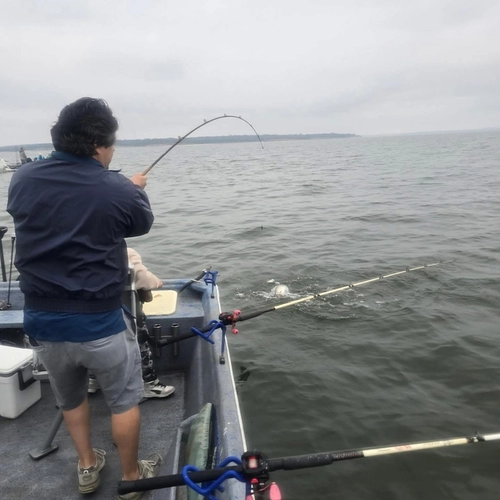
Striped bass can be caught on Lake Texoma every month of the year — if you understand how they move. Lures and live bait put fish in the net
After more than two decades guiding striper trips, Captain Steve Buckley has learned that success comes down to three factors:
-
Water temperature
-
Bait movement
-
Weather patterns
Not just the calendar.
Understanding these patterns is what separates an average fishing trip from an unforgettable one.
Steve Buckley’s Professional Insight
“There really isn’t a bad time to fish Lake Texoma — only better windows. The anglers who understand seasonal movement consistently catch more fish.”
The Biggest Mistake Anglers Make
Many fishermen try to time their trip based strictly on the season.
Professional guides focus on conditions instead.
Wind direction can reposition bait overnight. Cold fronts can push fish deeper. Cloud cover can extend feeding windows. Fish good spots more than one time per trip.
That is why hiring an experienced Lake Texoma guide often shortens the learning curve dramatically.
Month-by-Month Expectations (Captain-Level Insight)
March–May
Aggressive pre-spawn fish. Some of the fastest action of the year.
June–August
Deeper structure fishing dominates. Electronics become critical.
September–November
Possibly the most underrated trophy window on Texoma.
Topwater explosions are common when stripers push shad to the surface.
December–February
Fewer boats. Bigger fish often school tightly.
Anglers willing to fish in winter are frequently rewarded.
Fish Lake Texoma With Confidence
Timing matters — but experience matters more.
Captain Steve Buckley has spent over 25 years learning how striped bass react to changing conditions across Lake Texoma.
If you want to fish during the most productive windows — and avoid the guesswork — fishing with a seasoned guide makes all the difference. Follow Lake Texoma Fishing Guides for more information.
👉 Call (972) 345-8516 to plan your Lake Texoma striper trip today.
Original Article (Published 2025)
The content below is the original version of this article. It has been preserved for transparency but may not reflect the latest fishing patterns or Captain Steve Buckley’s current recommendations.
Related Lake Texoma Striper Fishing Resources
If you’re planning a trip or researching seasonal patterns, regulations, or tactics, explore these in-depth Lake Texoma resources:
-
👉 Lake Texoma Striper Fishing Regulations – Daily limits, size rules, and licensing requirements.
-
👉 Complete Guide to Live Bait Fishing for Striped Bass on Lake Texoma – Shad selection, rigging methods, and depth strategy.
-
👉 How Much Does a Lake Texoma Fishing Guide Cost? – What to expect when booking a professional trip.
-
👉 Lake Texoma Fishing Guide Prices – Half-day and full-day trip options.
-
👉 Contact Buckley Striper Guide Service – Book your Lake Texoma striper fishing trip today.
When is the best time to catch Striped Bass on Lake Texoma? Lake Texoma, a 93,000-acre reservoir straddling the Texas-Oklahoma border, is a prime destination for striped bass fishing. Known for its abundant striper population and year-round fishing opportunities, Lake Texoma attracts anglers of all skill levels. However, if you want to maximize your catch and experience the best fishing conditions, understanding the seasonal patterns of striped bass is crucial. In this comprehensive guide, we’ll break down the best times of year to catch striped bass and tips and strategies for success.
Understanding Striped Bass Behavior
Striped bass, also known as stripers, are migratory fish that respond to changes in water temperature, daylight hours, and seasonal shifts. They are active feeders that move throughout the lake in search of baitfish, particularly shad. Understanding these behavioral patterns will help you determine the optimal time to target them.
Best Seasons for Striped Bass Fishing on Lake Texoma
Spring (March-May): Peak Season for Striper Fishing
Spring is one of the best times to catch striped bass on Lake Texoma. As the water temperature rises above 50°F, stripers begin their spawning migration up the Red and Washita Rivers. While they don’t successfully reproduce in the lake due to water flow limitations, their instinct to spawn makes them highly active and aggressive.
Why Spring is Great for Striper Fishing:
- Stripers become more active as they prepare for spawning.
- They feed aggressively on shad and other baitfish.
- Warmer water temperatures increase fish movement and activity.
Tips for Spring Fishing:
- Live Bait: To increase your chances of getting bitten, use live shad, one of the stripers’ primary food sources.
- Artificial Lures: Jigs, topwater lures, and crankbaits work well in spring as stripers are more aggressive.
- Focus on Rivers and Creek Channels: Since stripers move upriver to spawn, targeting areas near the Red and Washita Rivers can be highly productive.
Summer (June – August): Consistent Action in Deeper Waters
During summer, striped bass retreat to deeper, cooler waters as surface temperatures climb above 75°F. Early mornings and late evenings offer the best fishing opportunities when stripers move toward the surface to feed.
Why Summer is a Good Time to Fish:
- Stripers feed actively in the early morning and late evening.
- Fishing is consistent, though adjusting techniques is necessary.
- Schools of stripers are often found in deeper water near submerged structures.
Tips for Summer Fishing:
- Downriggers and Deep Jigging: Since stripers move to deeper waters, use downriggers or vertically jig with heavy spoons.
- Fish Early or Late: Sunrise and sunset are the best times as stripers move to shallower waters to feed.
- Look for Birds: Seagulls and other diving birds often indicate schools of shad, which means stripers are nearby.
Fall (September – November): Prime Time for Big Stripers
As the weather cools and the water temperature drops, striped bass become highly active again, making fall one of the best seasons for catching large fish. Stripers start chasing baitfish into shallower waters, providing excellent fishing opportunities.
Why Fall is Ideal for Striper Fishing:
- Cooler temperatures make stripers more active and aggressive.
- Fish move closer to the surface, making them easier to target.
- Fall offers some of the best chances to catch trophy-sized stripers.
Tips for Fall Fishing:
- Use Topwater Lures: Early morning and late evening topwater action can be explosive.
- Follow the Baitfish: Stripers will be chasing schools of shad, so keep an eye on water movement and bird activity.
- Fish Near Points and Drop-offs: These areas provide easy ambush points for stripers hunting baitfish.
Winter (December – February): Challenging but Rewarding
Winter may not be the most popular time to fish for striped bass, but it can still be highly productive for those willing to brave the cold. During this time, stripers slow down but remain active, often found in deeper sections of the lake.
Why Winter Can Still Be Productive:
- Less fishing pressure means less competition.
- Striped bass tends to school up, making it easier to locate large groups.
- The fish may be slower, but they still feed when presented with the right bait.
Tips for Winter Fishing:
- Slow Down Your Presentation: Since stripers are less aggressive in cold water, slow trolling or using live bait is often more effective.
- Target Deep Water: Look for fish near submerged structures, ledges, and creek channels where they seek stable temperatures.
- Use Electronics: A good fish finder will help locate schools of stripers in deeper lake areas.
Best Time of Day to Catch Striped Bass
Regardless of the season, time of day is crucial in striped bass fishing success.
Morning (Sunrise – 9 AM): Best Time for Action
- Stripers are most active at dawn, making early morning the prime fishing window.
- Cooler temperatures and lower light levels encourage surface feeding.
- Topwater lures, swimbaits, and live bait work well.
Evening (5 PM – Sunset): Second Best Window
- As the sun sets, stripers return to shallower waters to feed.
- It’s another great time for topwater action and aggressive bites.
Midday (10 AM – 4 PM): Slower Action
- Stripers tend to move deeper, making them harder to catch.
- Downriggers, heavy jigs, or live bait at depth can still produce fish.
- Cloudy or overcast days can improve midday bite activity.
Final Tips for Catching Striped Bass on Lake Texoma
- Use a Guide: If you’re new to striper fishing, hiring a local guide can significantly improve your success rate.
- Check the Weather: Striped bass activity is often influenced by weather conditions. Overcast days can prolong surface feeding times.
- Match the Hatch: Stripers primarily feed on shad, so using bait and lures that mimic shad will increase your chances of a bite.
- Stay Legal: Check Lake Texoma’s fishing regulations and licensing requirements before heading out.
Conclusion
Lake Texoma is one of the best places in the U.S. to catch striped bass, offering year-round opportunities. However, if you want to maximize your success, the best times to fish are spring and fall, with early mornings and late evenings being the most productive times of the day. Understanding seasonal fish behavior and using the right techniques can increase your chances of landing a trophy-sized striper. So grab your gear, plan your trip, and prepare for an unforgettable Lake Texoma fishing experience! Contact us to book your trip today.